Abstract: Digital lightning protection is not simply about counting the number of lightning strikes, nor is it just looking at whether the SPD has tripped. Really valuable digital lightning protection should pay attention to lightning surge events, SPD status, grounding status, equipment abnormalities, environmental conditions and operation and maintenance disposal, and correlate these data to form judgment capabilities.
When discussing digital lightning protection, many people tend to first think of "installing a monitoring terminal." But the core of digital lightning protection is not the number of terminals, but the quality of data. Whether the system can collect truly useful data and whether it can correlate the data determines whether the system has judgment value.
If the system only records one lightning strike, or only sees one SPD trip signal, it is still difficult to answer the most important question at the scene: How strong is this impact? Has the protection status declined? Is the grounding reliable? Are the equipment abnormalities related to lightning strikes?
1. Category 1 data: lightning strikes and surge events
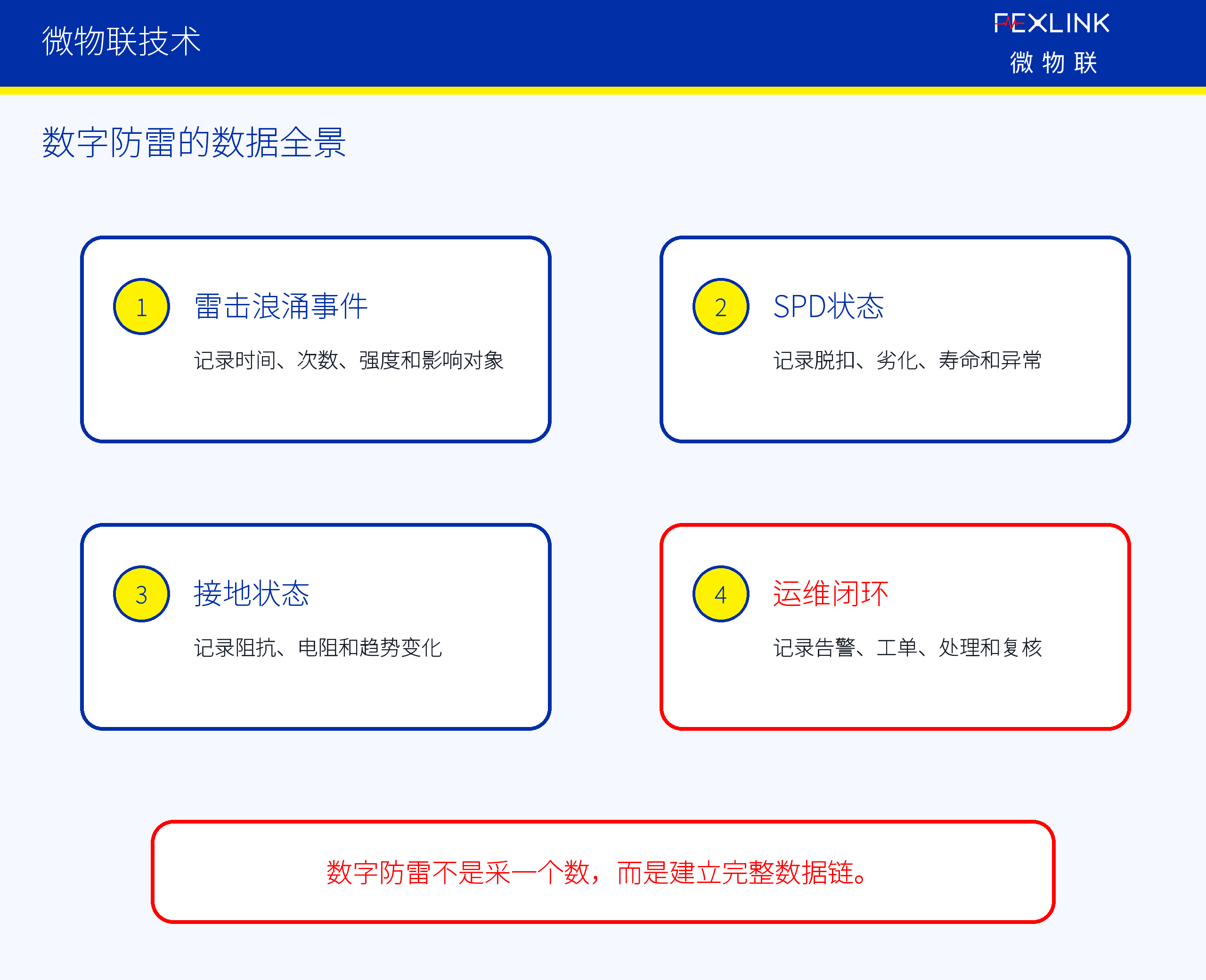
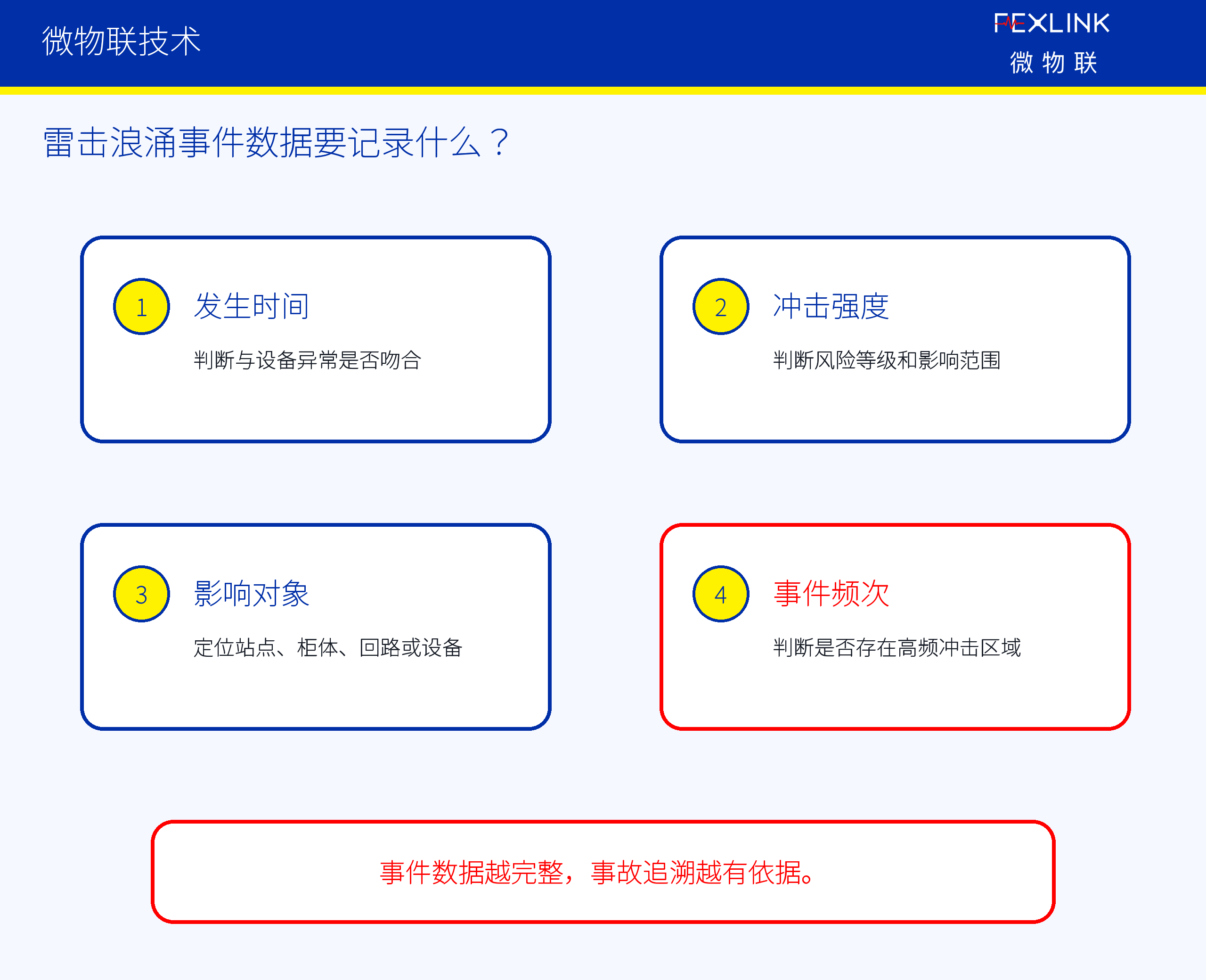
Lightning strikes and surge events are the starting point for digital lightning protection. It should at least record the time of occurrence, number of times, intensity of impact, location of impact and type of event. For lightning current monitoring, further attention should be paid to peak value, waveform, polarity, duration, charge amount and energy characteristics.
This data can answer “what was experienced in the field.” Without event data, it is difficult to determine whether equipment damage is related to lightning strikes, and it is also difficult to evaluate how much impact the SPD and grounding system have endured.
2. The second type of data: SPD status
SPD is an important part of surge protection, but it does not mean it will be effective forever. Digital lightning protection should record SPD tripping, degradation, leakage current, temperature rise, backup protection status and historical impact correlation.
Just seeing if SPD is present is not enough. What's more important is knowing whether it still has the ability to protect, whether it has experienced multiple impacts, and whether it needs to be reviewed or replaced.
3. The third type of data: grounding status
The grounding system is the lightning current discharge path. Ground resistance, ground impedance, connection status, seasonal changes, corrosion and construction disturbance may all affect the discharge capacity.
Digital lightning protection requires continuous observation of grounding changes instead of relying only on one detection value. Especially in wind power, photovoltaic, base station and petrochemical scenarios, the grounding status is the key data to judge whether the protective link is reliable.
4. The fourth type of data: equipment, environment and operation and maintenance
Equipment alarms, power supply abnormalities, communication interruptions, cabinet temperature and humidity, and on-site maintenance records are all important contexts for explaining lightning protection risks. Without this data, lightning strike, SPD and grounding information can easily become isolated numbers.
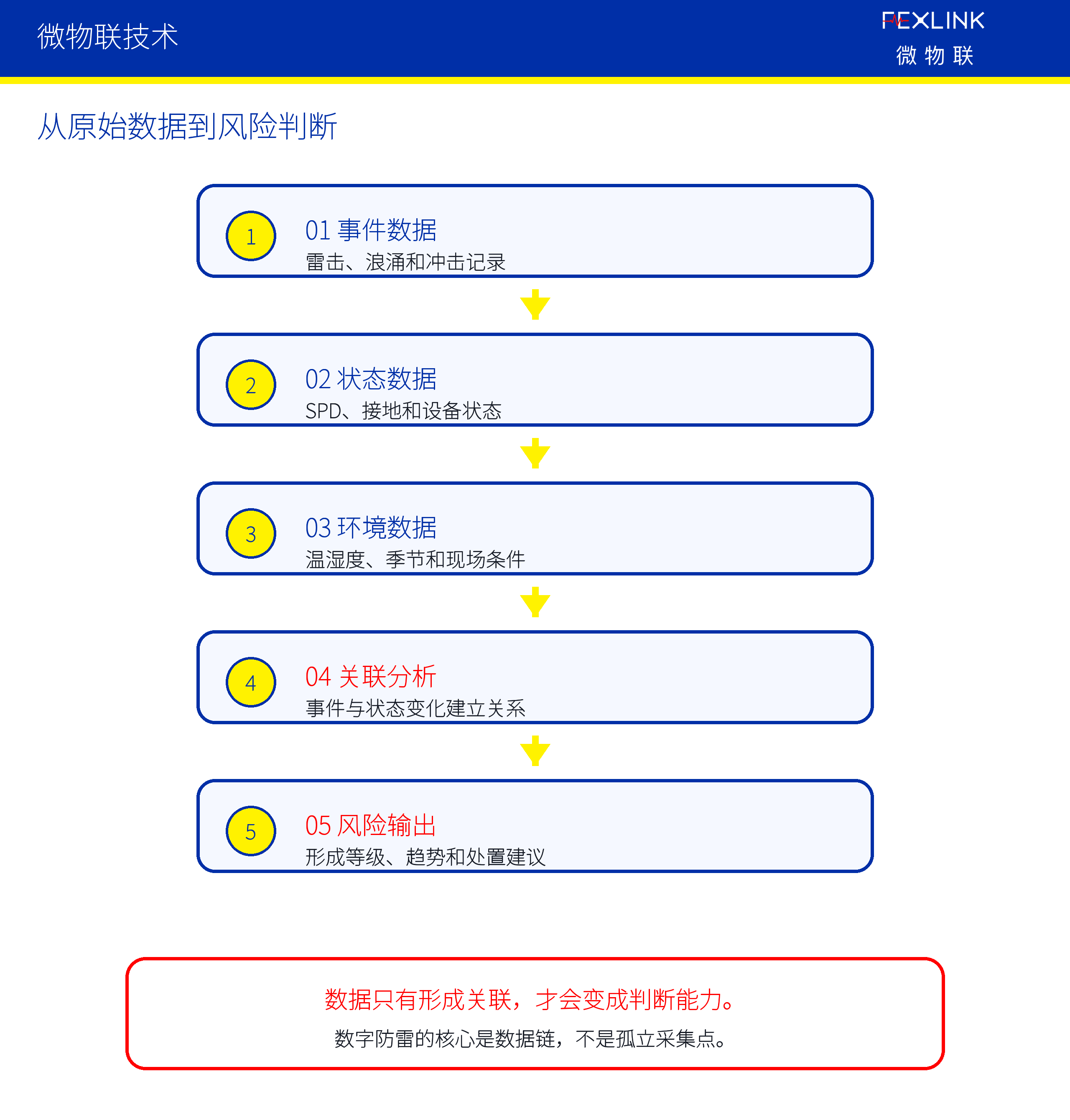
The value of digital lightning protection is not to pile data together, but to correlate events, status, impact and disposal. Only in this way can the system move from "recording" to "judgment".
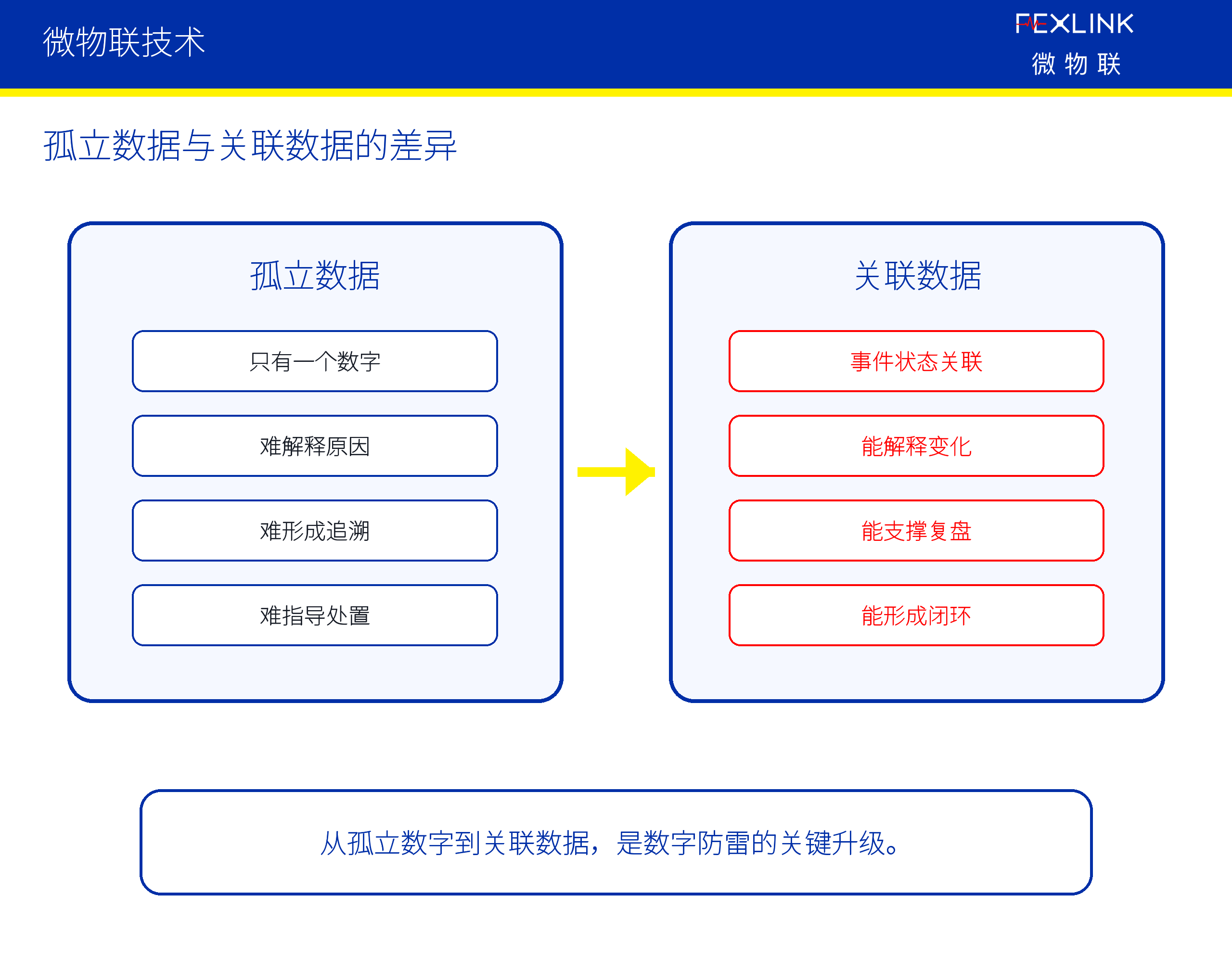
5. How does FEXLINK understand the digital lightning protection data link?
FEXLINK believes that the digital lightning protection system should produce a complete data link: lightning surge events describe on-site experience, SPD status illustrates protection capabilities, grounding status illustrates discharge paths, equipment alarms illustrate impact results, and operation and maintenance records illustrate the closed loop of disposal.
FEXLINK digital lightning protection system emphasizes data correlation rather than isolated collection. Only when data can explain each other can it serve risk judgment, accident tracing and predictive maintenance.
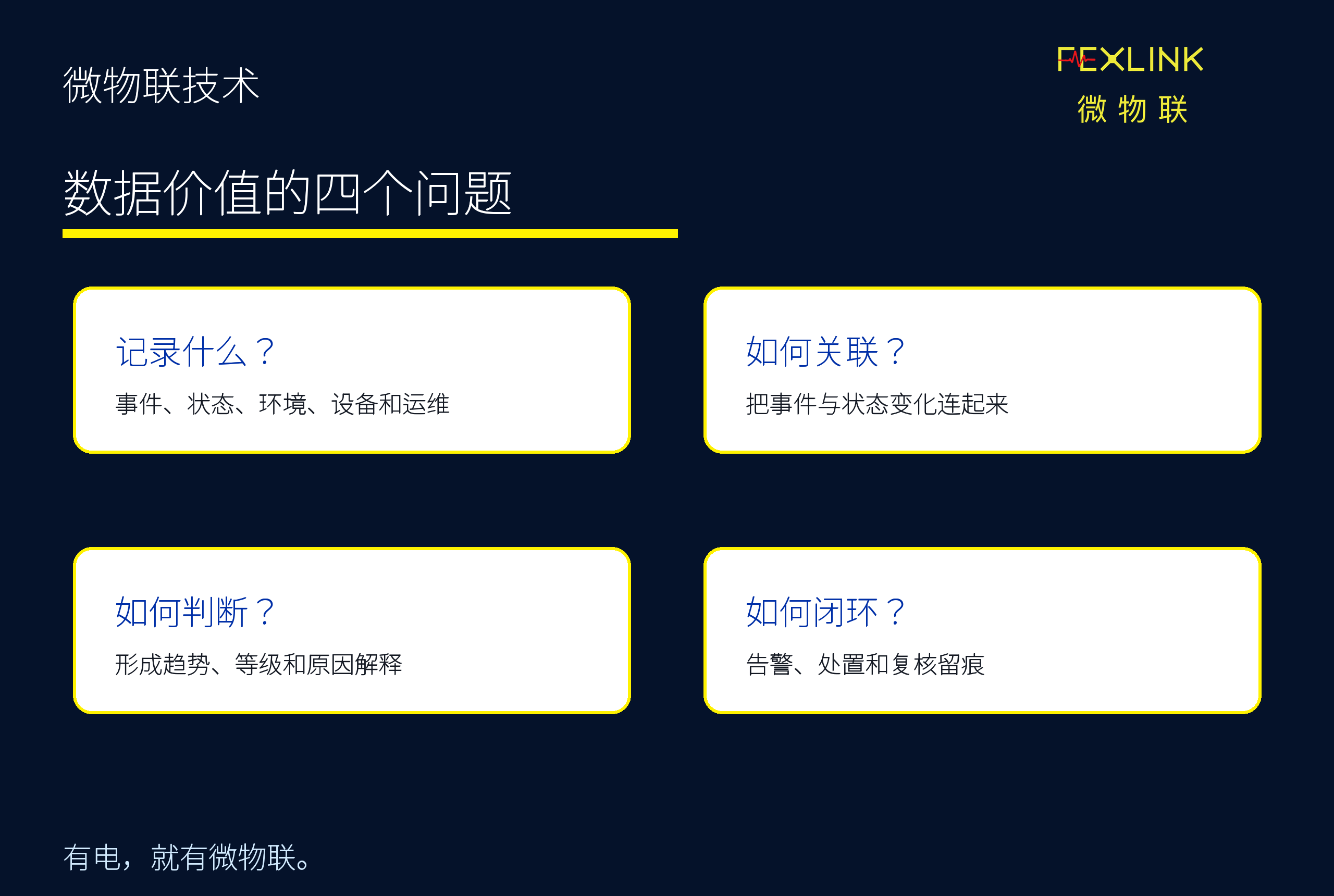
Conclusion: More data is not better, but it must be able to explain risks
What digital lightning protection really needs is not a bunch of numbers, but a data chain that can explain the cause, judge the status, and support disposal.
When lightning strikes, SPD, grounding, equipment and operation and maintenance are related, the lightning protection system can truly move from device management to status management.
FEXLINK technology will continue to share content related to intelligent lightning protection, early warning of electrical safety, digital power distribution, energy supervision and industrial Internet of Things.
FEXLINK/FEXLINK uses data to reconstruct energy efficiency and electrical safety.
Where there is electricity, there is FEXLINK.